
"dry processing"
20000 article(s) found

Honey treatment Coffee beans Sun-washed Flavor Description Treatment method Production area Manor introduction
1. Natural/Dried-in-the-Fruit The process of this treatment method is the simplest. The fruit begins the sun drying process without treatment after picking. This is the oldest treatment in existence. This method is still used today in places such as Ethiopia and Brazil. natural days

Treatment of coffee beans: what is coffee drying?
Today, this article will share one of the two coffee processing methods: what is coffee drying?

What are the processing methods of fine coffee common sense coffee raw beans?
After picking, coffee fruits need to go through a series of processes before they can become what we call coffee raw beans. This series of processes are often referred to as the handling of raw coffee beans or the rough processing of raw coffee beans in the industry. Before we talk about the classification of specific treatment methods, let's take a look at the structure of coffee fruits and raw coffee beans. Coffee fruit from outside to inside is: pericarp (exocarp)

Processing methods of coffee beans and raw coffee beans
Raw beans generally use washing and drying methods, both of which can produce high quality raw beans. First, washing method: generally speaking, there will be more distinct acidity and more consistent flavor. In the process of washing, the pulp is immediately separated from the raw bean, rather than drying it. The steps are as follows: 1. Selection: put the fruit in the sink and let stand for about 24 hours. Mature and immature due to
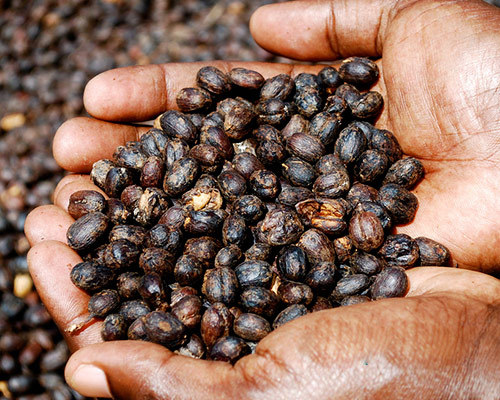
Please introduce the raw bean treatment method of coffee washing, semi-washing, sun drying and honey treatment in Costa Rica.
The first is dry treatment (secado), also known as natural all-day exposure (natural). After the coffee fruit is actually picked, it is dried directly in the sun. According to the weather conditions, it is generally necessary to dry the coffee beans for 2 weeks to reduce the water content of the coffee beans to 10%, 12%, and then use a machine to remove the dried peel and pulp. The raw bean processing plant (beneficio) usually keeps the outside of the coffee beans when the raw beans are stored.

The way of picking and processing of Coffee an introduction to the process Cooperative
Coffee picking and processing process Cooperative introduction to the picking itself, there are two ways: one is picking in pieces, which is also called peeling, that is, picking all the beans after a trip in the garden, and picking in pieces is also divided into manual picking and mechanical picking; the other is selective picking, which is divided into 810 days between trees.

The most traditional processing method of coffee beans
Drying is used for unwashed coffee beans. Wet treatment is used for thoroughly washed or semi-washed coffee beans. Except for the more common use of drying in Brazil and Ethiopia, most Arabica coffee beans are processed by wet treatment. In Indonesia, some Robart coffee beans are processed by wet treatment, but this is not common there. Drying method
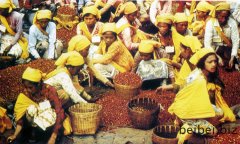
Post-harvest processing of coffee beans in Coffee Encyclopedia
After the harvest coffee bean processing: coffee berries must be processed immediately after picking to prevent pulp fermentation and decay. Coffee beans can be processed in two ways, wet and dry. The drying method is also called the natural method. Spread the coffee berries flat in the sun to dry. In the plantation, 50 square meters of coffee berries are laid on each hectare, or

What's the difference between sun-drying and washing coffee? a brief analysis of the taste difference between sun-drying and washing
Professional coffee knowledge exchange more coffee bean information please follow the coffee workshop (Wechat official account cafe_style) Solar treatment (Dry process/Natural method): the most primitive coffee bean treatment is the use of sun treatment, also known as natural drying method, this treatment is to directly expose the coffee beans to the sun, in which the exposure days are up to 27 days

Coffee bean origin coffee bean planting environment
The process of natural solarization is the simplest. The fruit begins the process of sun drying without treatment after picking. This is the oldest method of treatment in existence. This method is still used in places such as Ethiopia and Brazil. Natural solarization is most common in areas where water resources are scarce. The drying process usually lasts about 4 weeks. The way to deal with it must be very

What are the coffee bean honey processing methods? Coffee honey drying process? Coffee Bean Honey
Professional coffee knowledge exchange More coffee bean information Please pay attention to coffee workshop (Weixin Official Accounts cafe_style) What are the methods of coffee bean honey treatment? Coffee honey drying process? Coffee beans honey processing suitable for what kind of coffee? Coffee cherries are bright red when ripe, and because they look like cherries, they are also called coffee cherries.

The factors affecting the export of coffee beans-- flavor quality
Coffee price drying is the cheapest, simplest and most traditional method of processing coffee beans. The basic three steps are cleaning, drying and peeling. When processing, the harvested fruit should be spread on the cement floor, brick floor or straw mat. Ideally, the fruits should be raked flat in the sun and at regular intervals to prevent fermentation. If it rains or the temperature falls,

Introduction to coffee treatment: introduction to honey treatment
Dry treatment Dry Processing dry treatment is the most primitive treatment method; compared with wet treatment (water washing method) it needs less equipment and water source, manpower cooperation, the treatment method is relatively simple. It covers the following different ways:? Sun-Dried / Natural tanning? Pulped Natural / Honey (Miel) honey treated Sun-Dried or Na

A brief introduction to the processing methods of Coffee beans
Coffee bean processing when the hard bean farmers, will be ripe bright red coffee "cherry" pick down, coffee beans magical adventure will be launched. To convert a coffee fruit into a raw coffee bean, the peel and pulp of the coffee fruit need to be removed, leaving seeds or beans, and drying. This refining process usually has two main processing methods: washing (wet method) and drying.
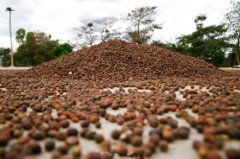
Coffee bean picking-berry processing-drying process
What we call coffee beans is actually the seeds of a cherry-like fruit. Coffee trees produce berries called coffee berries, which turn bright red to indicate ripeness and are ready for picking. The fruit clustered on the branches. Coffee berries have thick, bitter outer skins (exocarp). However, the fruit inside (mesocarp) is sweet and has a grape texture. And then parenchyma, which is like

The difference between sun-drying and washing coffee beans in the process of sun-drying coffee treatment
The solarization process can also be called a natural process, which is basically the oldest, simplest, and requires the least mechanical tools. When the coffee fruit is harvested from the mountain, the next step is to remove the peel and pulp of the coffee beans. There are two main ways of treatment: washing and solarization. But the ultimate determining factor is whether there is enough water to use. Some are special.

Introduction of common fermentation treatment methods of coffee beans differences in flavor characteristics of coffee treated with sun, water washing and honey
The three most common fermentation methods for coffee beans fermentation the word fermentation is often reminiscent of making flour cakes, Youtiao, steamed buns, steamed buns, or moldy food products. Fermentation has been used so much in our daily life that it is so common that we enjoy a wide variety of flavors.

Two basic methods of processing raw coffee beans
Raw beans generally use washing and drying methods, both of which can produce high quality raw beans. First, washing method: generally speaking, there will be more distinct acidity and more consistent flavor. In the process of washing, the pulp is immediately separated from the raw bean, rather than drying it. The steps are as follows: 1. Selection: put the fruit in the sink and let stand for about 24 hours. Mature and immature due to
Technical requirements for primary processing of coffee in Yunnan (Arabica species)
Technical requirements for primary processing of coffee in Yunnan (Arabica species)

Growers will not use natural washing for ultra-high quality coffee beans.
Growers do not use natural washing for ultra-high-quality coffee beans. Some plantations that have not used honey treatment in the past have to use the tools at hand to process the coffee. Since raw bean processing plants in most regions, such as Latin America, Kenya and Ethiopia, used to use water to transport raw coffee beans, coffee beans lose some of their mucous membranes during transportation.